

Nails are remarkably resilient. They are also surprisingly easy to mistreat. False nails often get the blame for brittleness, peeling or splitting, yet the real story sits with how they are applied, worn and removed. With the right choices, you can enjoy flawless sets while keeping your natural nails in strong shape.
Let’s sort fact from fiction, and look at practical ways to keep your nails healthy whether you love acrylics, gels, dips or modern press-ons.
What actually causes damage?
Natural nails are made of tightly packed keratin layers. They don’t “breathe,” but they do absorb and release moisture, which affects flexibility. Problems arise when those layers are scraped, dehydrated or forced apart.
Most harm comes from process, not product. Over-filing thins the nail plate. Aggressive removal peels away surface layers. Repeated long acetone soaks dry the plate and surrounding skin. If a set lifts and water gets trapped, bacteria and yeast can thrive. Tight tips that press on the sidewalls can create micro-fractures. All of this is avoidable with careful prep and gentle removal.
A healthy nail can support enhancements for years with no lasting weakness. The caveat is discipline: respect the keratin, and don’t rush.
Comparing methods: acrylics, gels, dips and press-ons
Each option has a different chemistry and different demands. The table below maps out the key contrasts so you can choose based on lifestyle, upkeep and nail health goals.
|
Method |
How it adheres |
Removal |
Common risks |
Damage potential when done well |
Best suited to |
|
Acrylic |
Liquid monomer plus powder polymerises on the nail |
Filed down, then soaked in acetone |
Over-filing during prep or removal; lifting; prolonged acetone exposure |
Moderate if prep and removal are gentle |
Long wear, strong structure, sculpted shapes |
|
Hard gel |
UV/LED-cured gel forms a rigid coating |
Filed off to a thin layer, occasional soak for soft gels |
Heat spikes from curing; over-filing; improper sealing leading to lifting |
Moderate when infilled and removed correctly |
Glossy finish, flexible maintenance with infills |
|
Dip powder |
Adhesive base with coloured powder layers |
Filed, then soaked in acetone |
Over-buffing; shared dipping jars in poor hygiene settings |
Moderate if hygiene and removal are meticulous |
Fast application with low odour |
|
Soft gel tips |
Full-cover tips adhered with gel and cured |
Soaked off or gently filed back |
Pressure if size is wrong; over-buffing before tip |
Low to moderate with correct sizing and removal |
Uniform length and shape, quick transformations |
|
Press-on nails |
Temporary glue or adhesive tabs |
Warm water and oil soak; gentle lift |
Prying off dry; oversized tips causing pressure |
Low when removed with soak and oil |
Events, busy weeks, damage-averse routines |
The headline insight: none of these methods must harm your nails. Problems stem from speed, shortcuts and poorly matched products.
The low‑impact choice: modern press-ons
Today's press-on nails are not the flimsy plastic of the past. High-quality tips, precision sizing and flexible adhesives make them a polished, practical option. They shine when you want style without the salon time or the commitment of a three-week set.
They also let your nails rest. Shorter wear times mean less exposure to solvents. Removal is typically a warm water and oil soak with a gentle slide off, which protects the top layers of keratin. Choose the right size, avoid sidewall pressure, and you're treating your nails kindly. For anyone wary of false nails after hearing damage stories, modern press-ons offer a gentler entry point with all the polish and none of the permanence.
This is exactly why Bianco Sue exists. Suellen, our founder, built the brand after juggling work and life made regular appointments near impossible. She found that elegant press-ons delivered the refined look she wanted in minutes, without the chips that traditional polish gave her by midweek. Friends were amazed when they learned her manicures were press-ons. That mix of ease and confidence is baked into our designs and sizing approach, so you can express your style with minimal fuss and minimal wear on your natural nails.
Process over product: where salon damage starts
Salons vary. A skilled tech prepares the nail with a fine-touch: minimal buffing, cuticle care without cutting living tissue, proper dehydration and primer, and curing schedules that match the product. Removal is equally measured. Thinning the coating, soaking as needed, and resisting the urge to scrape the natural plate.
Rushed prep or heavy e-files on the natural nail can cause burning, grooves and lasting thinness. That’s not an acrylic problem or a gel problem; that’s a technique problem. If you prefer professional services, choose a tech who explains each step, uses new or sanitised tools and doesn’t file the natural nail aggressively. Your nails will thank you.
Glue vs adhesive tabs for press-ons
Both options can be gentle if you treat removal like a ritual rather than a test of strength.
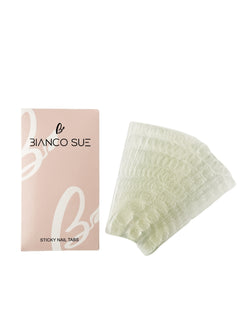
Glue, usually a cyanoacrylate, offers multi-day hold. It’s strong, so removal needs patience: a soak in warm soapy water, a bit of cuticle oil around the edges, and a gentle rocking motion. Tabs use a pressure-sensitive adhesive and suit weekend wear or events. They come off faster with much less persuasion.
If your nails are thin or sensitive, start with tabs. As your nails get healthier, try using a thin layer of glue across most of the nail while avoiding the very edges to reduce stress on the sidewalls.
Smart habits that prevent damage
Good habits matter more than brand labels. A few adjustments will keep your nails looking and feeling their best.
-
Choose the right size
-
Keep nails dry between sets
-
Glass file over coarse grit
After those basics, dial in the finer points.
-
Prep lightly: Remove shine with a soft buffer, not a rough file.
-
Respect the cuticle: Push back gently; never cut living tissue.
-
Use minimal glue: A small dot often gives better hold without overflow.
-
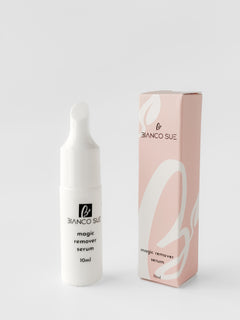
Soak for removal: Warm soapy water first, then add oil at the edges.
-
Never pry: If it resists, keep soaking. The nail plate should not feel heat or pull.
-
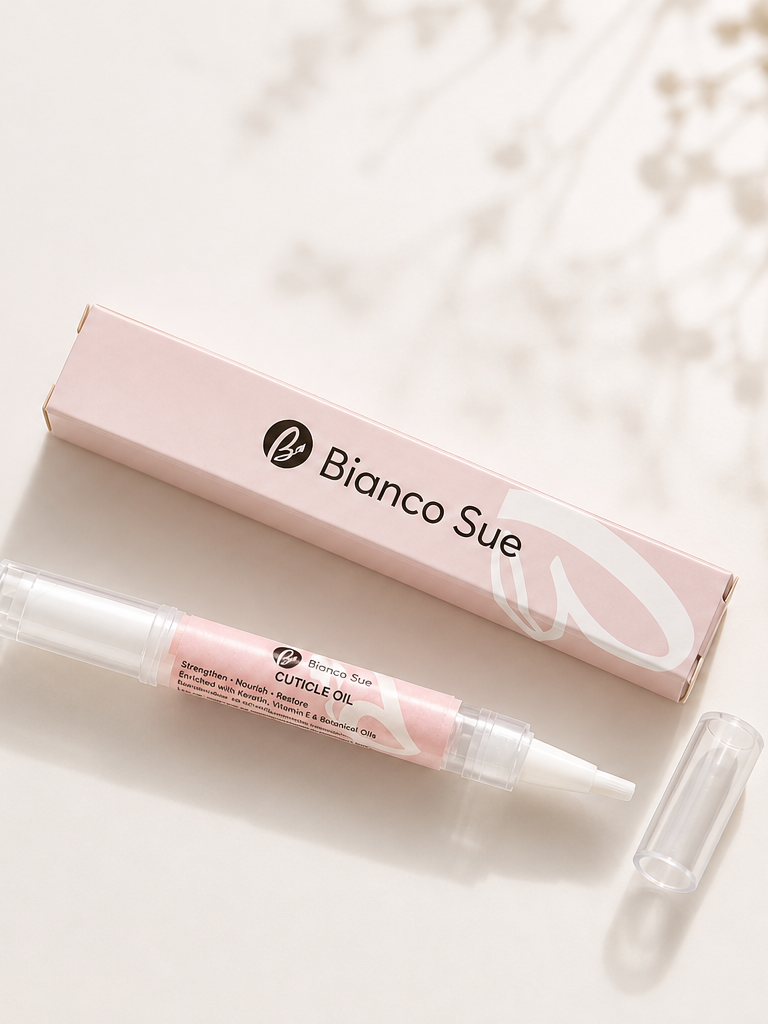
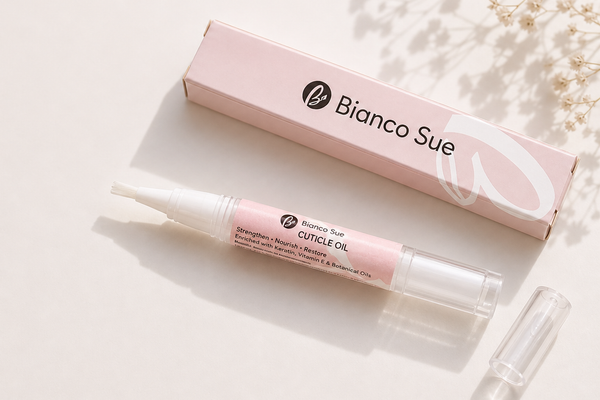
Hydrate daily: Cuticle oil strengthens the nail’s moisture balance.
How long can you wear enhancements?
The nail plate grows about 3 millimetres each month. That growth moves stress points. For acrylic, gel and dip, plan infills every 2 to 3 weeks to maintain balance and prevent lifting. Press-ons can be cycled more flexibly: on for a few days, off for a day with oil, then on again.
A simple rule: if your natural nail feels tender or looks pale and chalky after removal, pause for a few days with oil, a light-strength base coat and gentle filing. Nails bounce back quickly when given a breather.
What about allergies and sensitivities?
Allergic contact dermatitis to methacrylates and cyanoacrylates can occur in a small group of people. Redness, itch, tiny blisters or a burning sensation are signals to stop and seek advice from a pharmacist or GP. Patch test glue or gel on one nail for 24 to 48 hours before a full set if you’ve had skin reactions in the past.
Hygiene matters too. Keep tools clean, avoid shared dipping jars, and disinfect reusable press-ons between wears. If you see greenish discolouration under an enhancement, that can indicate bacterial growth. Let the nail dry out, clean with a mild antiseptic and stay product-free until it looks normal. Pain, swelling or pus warrant medical attention.
Myths that keep circulating
Misinformation sticks around, even when everyday experience proves otherwise. Let’s straighten a few of the regulars.
-
Nails need to breathe: Nails do not have lungs. They benefit from balanced moisture and reduced trauma, not airflow.
-
Acrylics always thin nails: Over-filing and harsh removal thin nails. Correct technique preserves thickness.
-
Press-ons fall off in a day: Quality tips, the right size and proper prep give multi-day wear.
-
Acetone ruins nails forever: Prolonged soaks dehydrate. Short, controlled soaks followed by oil are reasonable.
-
Cutting cuticles makes polish last: Cutting increases infection risk. Neat, gently pushed-back cuticles do the job.
A quick routine between sets
Give your nails a mini reset between looks. It takes five minutes and pays off in resilience.
First, wash hands and dry thoroughly. Buff away any glue residue with a soft buffer, then apply a nourishing oil and massage for 30 seconds per nail. Seal with a breathable strengthening base if you are staying product-free for a few days.
-
File with intent: One direction, light pressure, rounded corners to reduce snags.
-
Oil twice daily: Jojoba or squalane-based oils penetrate effectively.
-
Protect with gloves: Dishwater and cleaning agents are harsh on keratin.
-
Protein boost: A quality ridge-filling base can reinforce thin spots.
-
Pause if sore: Tender nails are asking for rest.
Style without the stress: where Bianco Sue fits
Press-ons reward precise sizing and thoughtful design. That’s the foundation behind Bianco Sue sets. Suellen built the range around shapes and lengths that look refined, with widths that match real nails rather than idealised templates. The result is a fit that feels natural, reduces pressure points and stays put without overloading glue.
The brand name tells the story. Bianco signals a fresh start each time you change a set. Sue speaks to your own way of wearing them, whether that’s short and practical for the office or long and sculpted for an evening out. Swap looks as your week changes. Keep a set in your handbag. Remove them before a swim or after a long day if you like. Flexibility is the quiet luxury here.
There’s also a sustainability angle. Reusable tips paired with careful removal mean you can wear favourites again. Fewer wasted sets, fewer emergency polish fixes, far less time sitting under lamps or waiting in queues.
When your nails need a pause
Listen to your nails. If you notice persistent peeling, splitting near the free edge, or sensitivity to temperature, step back for a week. Shorten them slightly to remove weak points and double down on oil. A gentle keratin treatment or a short course of a strengthening base can help the layers bond and grow out smoothly.
One more clue is shine. A natural, slight sheen returns as nails rehydrate. If they stay dull and chalky for more than a few days, simplify your routine and avoid acetone until the surface looks healthy again.
Choosing quality over shortcuts
Whether you sit in a salon or reach for a box of tips, quality products and patient technique make all the difference. Look for transparent ingredients, precise sizing, strong yet flexible tips and adhesives that release cleanly with water and oil. If you're switching from long-standing acrylics or gels to press-ons, start with a shorter length while your nails recalibrate. That small change reduces leverage and break risk.
Pay attention to the details that separate good sets from great ones. Tips with thin, tapered cuticle edges disappear against your natural nail bed. Multi-size packs mean you can match each finger precisely rather than forcing a generic fit. Adhesives formulated specifically for nails, not general craft glue, release without peeling layers of keratin. If a brand shares care instructions, sizing guides and removal tips, that signals they understand the science behind healthy wear.
Your nails will also tell you when something isn't working. Tenderness after removal, white patches on the surface, or nails that peel within days of going bare all point to technique issues or poor-quality products. Listen to those signals. Switch brands, adjust your prep routine, or take a longer break between sets. Nails are forgiving when you course-correct early.
Think of press-ons as a tool in your rotation, not a replacement for everything. Some weeks call for a full acrylic set because you want that structure. Other times, a quick press-on swap fits better. The flexibility to choose based on your schedule, your nails' condition and your plans keeps everything balanced. There's no single right answer, only what works for your life right now.
False nails can be a protective coat or a source of stress. The outcome is in your hands. With thoughtful prep, gentle removal and a routine that respects the keratin, you can enjoy striking nails and keep the natural foundation robust. And when life gets busy, the simplicity of a well-made press-on set brings back the joy of getting ready, without compromising the health you've built.