

A long-lasting press-on manicure rarely comes down to luck. It usually comes down to the kit. That is part of the appeal that has drawn so many people to press-ons in the first place. When time is tight and regular salon visits feel hard to keep up with, a well-designed nail kit offers something very appealing: polished nails, less waiting, and far more control over when you wear them and when you change them. For Bianco Sue founder Suellen, that flexibility was the turning point. Press-ons gave her an elegant option that worked with a demanding schedule, and that same idea still shapes what many people now want from a manicure routine.
The small details matter more than the colour or design alone. A beautiful set can still lift within a day if the prep is poor, the sizes are off, or the adhesive does not match the occasion. A well-considered nail kit solves those issues before they start.
Why a press-on nail kit matters for long wear
A press-on manicure is really a system, not just a packet of nails. When a kit is put together properly, each piece supports the others. The prep item removes oil, the file shapes the natural nail, the adhesive creates hold, and the finishing tools improve fit and comfort.
That difference is rarely accidental.
A basic kit may still look attractive at first glance, yet the wear time often tells the real story. If the nails are too flat, too curved, too wide at the cuticle, or paired with weak adhesive tabs, they may pop off while washing your hands or typing. A stronger kit pays attention to both appearance and structure.
The best kits usually help with four things at once:
● nail preparation
● accurate sizing
● secure adhesion
● comfortable finishing
When all four are handled well, the manicure tends to look more natural and stay intact far longer.
Core tools inside a press-on nail kit
Not every kit includes the same contents, though the strongest ones tend to cover the same essentials. Some are aimed at quick application for a night out. Others are built for several days of wear, repeat use, or a more salon-like result at home.
A useful way to think about the contents is by function rather than by item count. More pieces do not always mean a better kit. The question is whether each item helps the manicure last.
|
Kit component |
Why it matters |
What to look for |
|
Press-on nails |
The visible result and the base structure of the set |
Consistent shape, varied sizes, balanced thickness |
|
Nail glue |
Strong hold for longer wear |
Controlled nozzle, reliable bond, no excessive runniness |
|
Adhesive tabs |
Flexible option for short wear or easy removal |
Thin profile, strong tack, multiple sizes |
|
Nail file |
Shapes the natural nail and softens edges |
Fine enough grit for prep and finishing |
|
Cuticle stick |
Pushes back cuticles and helps press tabs or nails into place |
Smooth edges that do not scratch |
|
Alcohol pad or prep wipe |
Removes oil and residue before application |
Proper saturation, easy single-use format |
|
Buffer |
Lightly roughens the nail surface for grip |
Gentle texture, not too harsh |
|
Spare nails |
Useful when sizing is imperfect or a replacement is needed |
Good size range, not just duplicates of popular sizes |
A thoughtfully built kit often includes more than one adhesive option. That gives you room to choose between quick wear and stronger hold, rather than forcing the same method every time.
Nail prep tools in a nail kit make the biggest difference
Many people focus first on the nails themselves, yet prep usually has the biggest effect on wear time. Natural nails hold oils, moisture and tiny traces of hand cream, all of which can interfere with adhesion. Even a premium press-on set struggles if the surface underneath is not ready.
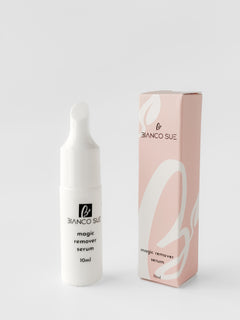
The prep stage does not need to be complicated, though it does need to be consistent. A gentle push back of the cuticle, a light buff to reduce surface shine, and a proper cleanse with alcohol can change how long the set stays put.
The most common prep issues are easy to fix:
● Skipping the cleanse: Any oil left on the nail plate weakens the bond from the start.
● Buffing too aggressively: The goal is slight texture, not damage to the natural nail.
● Leaving cuticle on the nail plate: Adhesive bonds poorly to skin or overgrown cuticle.
● Applying after hand cream: Even a small amount can shorten wear time.
A good nail kit anticipates these mistakes by including the simple tools needed to avoid them. That is part of what separates a set designed for real use from one built only for display.
Adhesive choices in a nail kit change the whole experience
Adhesive is not just a technical detail. It shapes the feel, longevity and removal process of the manicure.
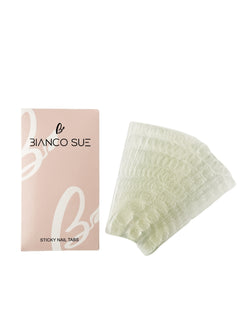
Glue tends to be the preferred option for longer wear. It creates a firmer bond and usually stands up better to repeated hand washing, warm water and day-to-day pressure. Adhesive tabs, by contrast, are excellent when flexibility matters more than duration. They suit events, weekends, photo shoots, or anyone who likes to change styles often.
Neither option is better in every situation. What matters is matching the adhesive to the purpose.
If a kit includes both, it becomes far more versatile. Someone may use tabs for a dinner or wedding, then switch to glue when they want a set to last through the work week. That level of choice suits the modern appeal of press-ons: beauty that adapts to real life, not the other way around.
Application technique matters here too. Too much glue can create air pockets or spill onto the skin. Too little can leave gaps that collect moisture and weaken the bond. With adhesive tabs, the fit has to be exact. A tab that is too small may not hold well, while one that extends beyond the natural nail can lift at the edges.
One firm press, held for a little longer than most people think necessary, often makes a visible difference.
Nail sizing and cuticle fit inside a press-on nail kit
The most convincing press-on manicure is usually the one nobody notices as press-on. That illusion depends heavily on sizing.
A nail that is too narrow leaves exposed edges on the natural nail. A nail that is too wide can press into the side walls and look bulky. The cuticle area matters most, because that is where the eye reads the manicure as natural or artificial.
This is why size range inside a kit matters so much. More options create a closer match, especially for thumb and pinky nails, which often vary more than expected. Some people sit neatly within standard sizing, while others need a slightly different width on one or two fingers to get the whole set looking right.
When choosing between two sizes, it is often better to go slightly smaller and gently file the sides if needed, rather than forcing a nail that is too wide. A neat cuticle fit tends to look cleaner and feel more comfortable over several days.
Useful signs of a better fit include:
● the press-on sits flush near the cuticle
● the side walls do not pinch
● there is no obvious overhang
● the apex and curve look balanced from the side
Thickness also matters. Nails that are too thin may bend too easily and feel less secure. Nails that are too thick can look heavy and sit unnaturally high. A balanced structure gives the manicure a salon-like finish without sacrificing comfort.

Design usually gets the attention, yet shape affects wear more than many people expect. Short and medium lengths often last better for everyday use because they create less leverage during tasks like opening containers, using a keyboard, or fastening clothing. Longer styles can still wear beautifully, though they generally need more care and stronger application.
The structure of the press-on itself also matters. A gentle curve that mirrors the natural nail tends to sit more securely than an overly flat design. The stress point, usually around the middle where pressure is absorbed, should feel stable without becoming bulky.
The finish can also influence practicality. Matte surfaces look sophisticated, though they may show oils or marks more quickly. High-shine finishes often stay looking fresh with less effort. Chrome, glazed or detailed art styles can be striking, yet they work best when the underlying nail is well made and properly attached.
That is why long wear is never just about one feature. It comes from a combination of fit, prep, adhesive and structure all working together.
Finishing tools in a nail kit help press-ons look more natural
The last steps are often treated as optional, though they can make the manicure look far more refined. Filing the free edge after application can even out small differences in length. Pressing around the sides and cuticle helps remove tiny gaps. Cleaning away excess glue immediately keeps the result neat.
These details may seem minor, but they change the overall impression from “applied at home” to “professionally polished”.
A strong finishing routine often includes:
● Edge refining: File lightly in one direction to tidy the shape after application.
● Pressure at the cuticle: Press firmly for a few extra seconds to improve contact.
● Glue control: Wipe away overflow before it dries and turns dull.
● Early care: Avoid water and steam for the first hour if possible.
That first hour can set the tone for the days that follow.
What to look for when buying a nail kit for real life
A nail kit should suit your habits, not an idealised version of them. If you change styles often, adhesive tabs and easy removal tools may matter most. If you want nails that carry through workdays, errands and weekends, a stronger glue-based kit with solid prep tools will likely serve you better.
It also helps to think about your nail shape and routine. People with flatter nail beds may need different curvature than those with a more rounded natural nail. If you use your hands constantly, a shorter almond, squoval or oval style may be more practical than a very long coffin or stiletto.
Before buying, it is worth checking for a few signs of quality:
● Size variety: More size options usually mean a cleaner, more natural fit.
● Prep included: Alcohol wipes, buffer and cuticle tool show the kit is built for wear, not just appearance.
● Adhesive flexibility: Glue and tabs together offer more control.
● Balanced construction: Nails should feel sturdy without looking thick or artificial.
Brand philosophy can matter too. The strongest press-on brands often understand why people turn to this format in the first place. They are not only selling nail art. They are offering ease, adaptability and a way to feel polished without locking beauty into a rigid schedule. That sense of effortlessness, which helped inspire Bianco Sue, remains one of the clearest signs that a nail kit has been designed with real users in mind.
 A well-made press-on nail kit respects both style and practicality. It gives you options, saves time, and supports a manicure that still looks fresh long after the first application. When the small details are right, the result is not just pretty nails. It is confidence that fits neatly into everyday life.